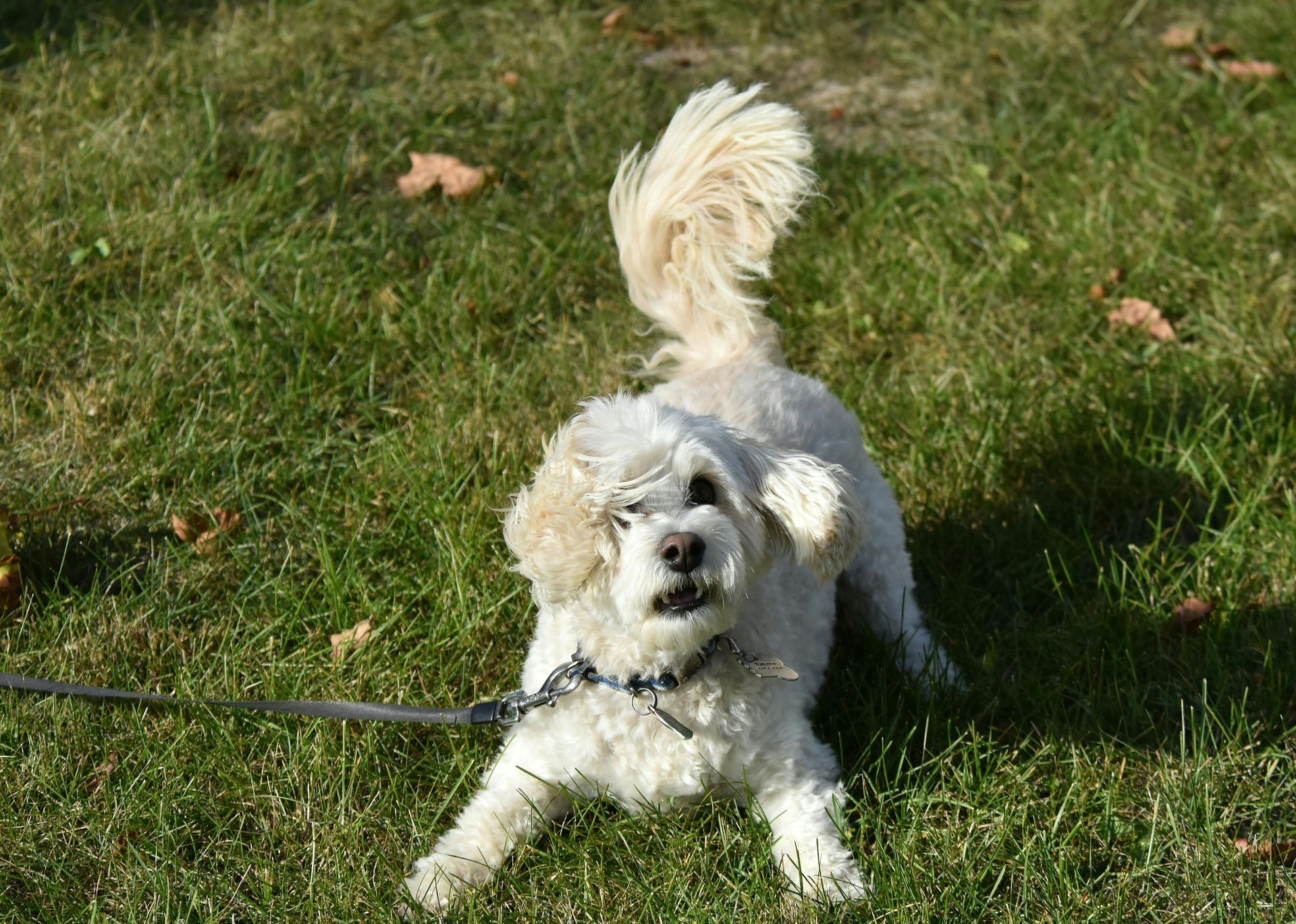
'Oh we do like to take our dogs to the seaside, Oh we do like to be beside the sea'
At last October 1st is finally upon us. Although it means Winter is on its way and the clocks are soon to change. At least we can take our dogs to the beach...this time of year can't come soon enough for many dog owners, but here's a few things we ought to bare in mind.

1. Courtesy to other users:
Beaches are public
spaces and everyone is welcome, from children to dogs to horses. It
is important to be aware and courteous of other beach goers.
2.Swimming in the sea and changing tides:
If
you plan to allow your dog to swim, be aware of sea conditions.
Check
the details of the tides and the current in the area which you are
visiting and avoid any areas with strong currents or rip tides. If
the sea is not safe enough for you to swim in (should you wish to)
then it’s certainly not safe enough for your dog. If your dog does
not like to swim, do not force them. Some dogs will be happy to
paddle; some will avoid the water altogether. If your dog does enjoy
swimming, keep an eye on them in the water at all times and make
sure they don’t swim out too far.
Dogs can quickly become exhausted therefore should be closely watched.

3.Foreign objects and litter:
Not
everyone looks after our beaches so be aware of litter which may
cause your dog injury. Try to discourage your dog from eating any
rubbish and take care should there be any broken glass.
Sea creatures and birds may also leave detritus. This may seem appetizing to your dog...however they can make your dog very sick if ingested. Toys and games can be used to discourage your dog from eating rubbish, picking up sticks and eating sand.
4. Seaweed:
Although Seaweed is frequently used as a supplement for dogs and other animals. If eaten directly off the beach it can result in intestinal blockages and severe vomiting. It is important to discourage any form of scavenging on the beach.
5. Fish hooks:
If
visiting a beach which is a popular fishing destination. Be aware of
any discarded fishing hooks. Dogs
are often tempted to swallow the shiny lure and tasty bait that’s
attached to them. But these can cause nasty injuries if embedded in
their mouth, food pipe or stomach. Dogs can also suffer paw injuries
from standing on fish hooks.

6. Salt water:
It
is vital not to allow your dog to drink salt water. Dogs can become
very sick from drinking salt water due to the bacteria and
parasites. Ensure you carry fresh water with you at all times.
Drinking salt water can result in sever dehydration and can be a
medical emergency. Vomiting, wobbly gait and tacky gums are some of
the symptoms to look out for.
7. Overexertion:
Playing
on the beach can be so much fun for our canine friends. The wide
open spaces are perfect for running along at full speed. Running on
sand takes more effort than grass. Make sure you recognise when your
dog should have some quiet time on the lead.

8. Parasites:
Keep your pet up to date with all their preventative parasite treatments to avoid any unwanted guests being picked up by your pet from the beach.
9. Sand:
Sand
can be great fun to dig up however it can cause irritation around
the mouth and eye area. Playing on the beach on a windy day can also
result in sore eyes. Our vets frequently treat dogs for
conjunctivitis after a day at the beach.

10. High temperatures
At
this time of year temperatures generally don't get too hot. But it
is vital to remember that the temperature of the sand can be much
higher than the air around us. Dogs can therefore become at risk
from burnt paws and heat stroke.
For any beach emergencies please contact the practice on 01395 208620