
Tips on Looking After Pets In Winter
Peter Martin • December 15, 2025
How to take care of your pets this winter
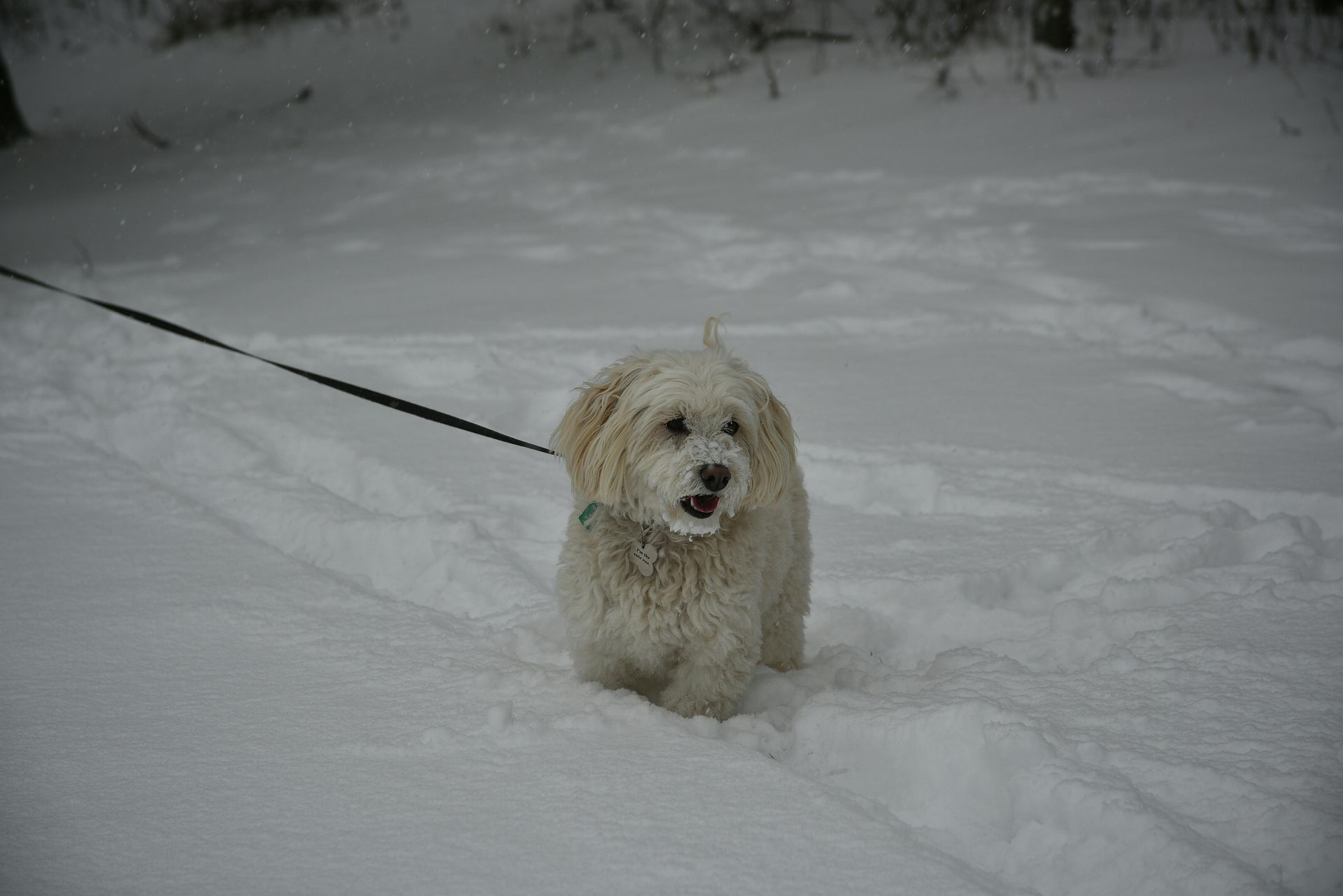
Like people, pets often need a little extra help to stay warm, comfortable and safe during the colder months. From protecting them indoors to taking sensible steps outside, here are some top tips for pet health in winter, including how to keep them safe during the festive season.
Keeping pets warm
Just like humans, exposure to the cold can lead to hypothermia in pets, so try to avoid letting your pet go outside in the snow or freezing temperatures for too long.
Look out for signs of discomfort when your pet comes in from the cold. The RSPCA
says pets may shiver when exposed to low temperatures for too long, especially smaller or short-haired breeds, so it’s important to keep them warm when the temperature outside drops.
Give dogs and cats additional blankets and create a few extra places around the home where they can curl up during the colder months. You may want to consider raising beds off cold floors to reduce draughts, particularly for older pets. Cat owners will know that their feline companions often enjoy high resting spots or climbing posts where they can stay warm and feel secure.
Walking dogs in winter
Dogs still need regular exercise in winter, but shorter days and colder or adverse weather conditions can make it tricky for pet owners to get outside. Where possible walk your dog in daylight hours and use LED collars, hi-vis leads and carry a torch when walking your canine companion in the dark.
At Jurassic Vets, we recommend putting a well-fitting waterproof coat on your dog, especially if they are unwell, have thin fur, or they are elderly or very young.
Although it’s unusual for us to get heavy snow in the Westcountry, it’s important to remember to stay alert in freezing conditions because hidden hazards can be dangerous. If you are walking dogs in winter, keep them away from frozen ponds or lakes because prolonged exposure to the cold can lead to hypothermia in pets.
To be on the safe side, opt for shorter, more frequent walks as the temperature drops and remember to dry dogs thoroughly after walks, and check paws for salt, grit or compacted snow, which can cause pain or irritation.
Winter pet care for cats
Most cats love exploring the outdoors, so don’t stop them from going out during the winter months, but do put some safeguards in place and ensure your feline friends can return indoors easily – ideally through a cat flap.
Keeping pets warm in winter is very important, so create a sheltered outdoor space for your cat where they can stay dry and keep warm. Cats should be kept indoors overnight during freezing conditions, so it’s a good idea to set up litter tray.
Cats in particular need an array of indoor pet activities to keep them entertained. Think about investing in a scratch post or toys they can chase to keep them happy and fit when it’s too cold to go outside.
Caring for small pets
Of course, smaller animals can struggle with sudden temperature changes too, especially if they are kept outside in hutches. It’s best to bring outdoor pets inside if temperatures drop sharply – a shed or space in a garage can offer good shelter – but if they must stay outdoors, insulate hutches with thick blankets or carpet and ensure protection from wind, rain and snow.
If you’re bringing rabbits or guinea pigs inside, put them in a cooler indoor room, so they don’t overheat.
Pet-proofing your Christmas
Pet health in winter is something everyone should pay attention to and for many of us festive celebrations, especially Christmas, can introduce extra risks for curious pets!
Here’s how to keep them safe:
- keep festive foods like chocolate, Christmas pudding, alcohol and turkey out of reach
- ensure rubbish bags are tied tightly or put straight into your wheelie bin
- secure your Christmas tree so your beloved pets can’t pull them over
- avoid placing fragile glass ornaments on the lower branches of your Christmas tree or having low hanging decorations, including tinsel and ribbons
- cover water in real tree stands, as it may contain fertilisers or bacteria, so you don’t want your pet taking a drink from it
- keep electrical wires tucked away or use protective cable covers
- turn off fairy lights when you’re not in the room
- common festive plants like poinsettia, holly and mistletoe can be harmful if eaten, so display them out of reach or choose pet-safe alternatives
- create a calm, cosy area where pets can retreat from noise, visitors or excited children
If you follow these winter tips for pets your festive season and the winter months can be enjoyed by you and your furry companions! By keeping pets warm and ensuring you put into action our cold weather pet safety tips, you’ll ensure your pets stay healthy and happy all season long.
For emergency veterinary help outside of our normal hours please contact us. Any situation where your pet is in pain or in danger counts as an emergency. If you are not sure - call us anyway, we'd rather check a healthy pet than miss a dangerously ill one!
Protecting Your Pets This Summer. To help keep your beloved companions safe, we’ve answered some of the most common questions about summer pet safety tips, hydration and outdoor care.

Choosing the right vet for your beloved animal companion is an important decision for any pet owner.

Our handy puppy care guide covers everything you need to know about how to keep your puppy healthy and happy.